1. Safety check
Before sorting begins, the crew checks for hazards such as sharp objects, pests, mold and unstable piles. Protective gear is chosen to match.
St. Clair, PA · Schuylkill County
Not sure where to start with a hoarding cleanup in St. Clair, PA? Call (877) 812-4220 and describe the home. The team explains how safety work, sorting and cleaning usually unfold, with no pressure.
If anyone is in danger, call 911 first. For a suicide crisis, call or text 988.
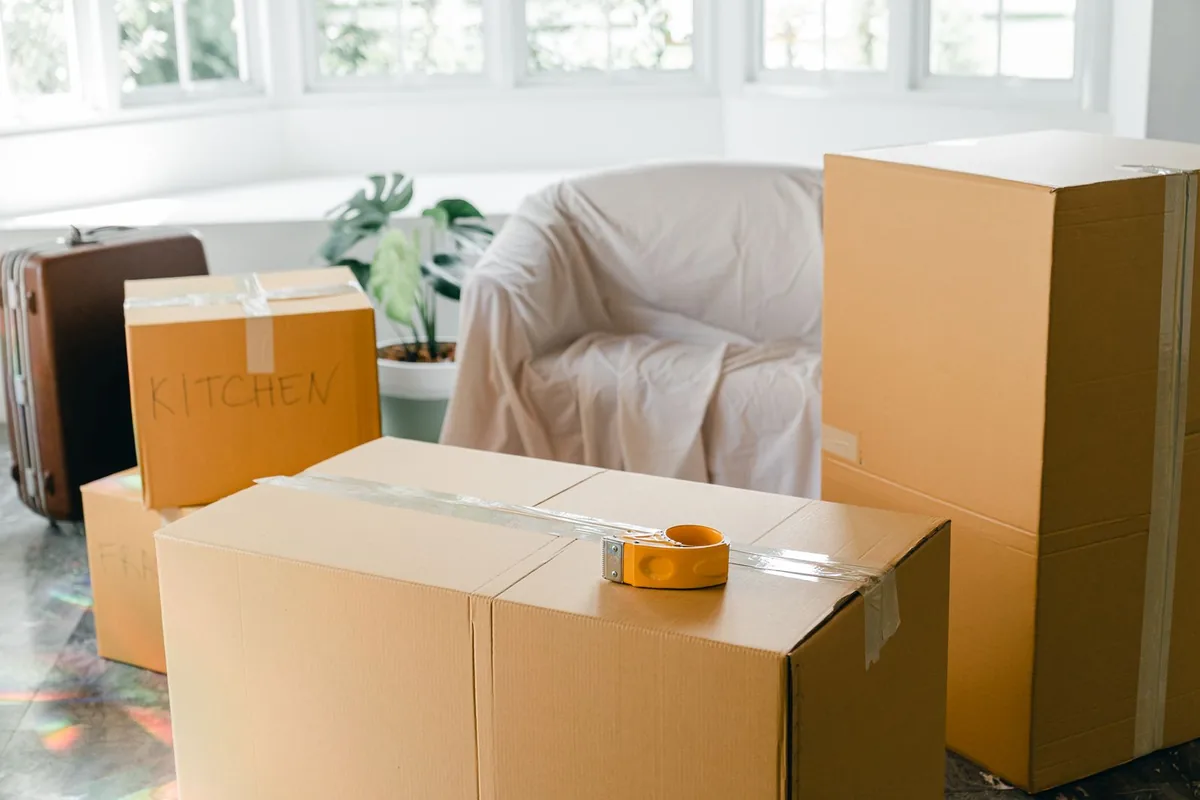
Hoarding cleanup services bring in people and equipment to do what is hard to do alone: protective gear, safe lifting, correct disposal and thorough cleaning. The result is a home that is safer and easier to use.
In St. Clair, you can get a cleanup that sorts, hauls and cleans without judgment. Families in Schuylkill County call about parents, siblings and their own homes, and the resident keeps a say over every item. Call St. Clair Biohazard Cleanup Help.
About 41% of older adults in St. Clair live alone, so a crowded home can go unnoticed until a fall or a hospital stay. Many homes in St. Clair, about 88%, date from before 1980. Older floors and trim soak up moisture and odor, so the team checks them closely.
A typical hoarding cleanup job includes:
Before sorting begins, the crew checks for hazards such as sharp objects, pests, mold and unstable piles. Protective gear is chosen to match.
Papers, photos, medicine, jewelry and keepsakes are gathered and kept safe. The resident can name anything that must not be moved.
Crews sort, bag and haul in a set order. The pace follows what the resident can handle.
Rooms are cleaned and the team shares ideas for keeping spaces open. Support from a doctor, counselor or local group can be part of that plan.
Most hoarding cleanup jobs in St. Clair, PA cost between $500 and $25,000, based on published cost guides.
A short deadline from a landlord, a lender or a city office can change how many people the team sends, and so the price. Mention any date early.
| Type of job | Typical range |
|---|---|
| Level 4 | $5,000 - $15,000 |
| Level 5, severe | $10,000 - $25,000+ |
| Level 3 | $2,000 - $5,000 |
| Most homes, per square foot | $1 - $2 per square foot |
Estimates only, not a quote. Sources: Dropcurb, Lifecycle Transitions. Price drivers include level of accumulation, home size, whether exits and rooms are blocked, pests or animal waste. Call (877) 812-4220 to talk through the job.
Small habits, such as one clear surface a week, help. Ongoing support from a doctor, counselor or local group can make progress last. The team can talk through simple upkeep ideas at the end of the job.
Avoid calling their belongings trash, saying the home is disgusting or telling them to just throw things out. Never move items without asking. Ask what matters most to them, listen, and offer to help at their pace.
Offer help without pressure, ask what they want to keep and agree on one small area to start. Do not remove items they have not released. A cleanup team can take over the heavy lifting, disposal and sanitizing while you offer support.
Hoarding is often described in levels, and level one is the lightest. Clutter is present but exits and pathways are open, utilities work and rooms can still be used. Higher levels bring blocked rooms, sanitation problems and safety hazards.
Usable items go to donation or recycling where possible. Spoiled, damaged or unsafe items are disposed of correctly, and waste that may carry germs is handled as regulated medical waste.
Usually not for the buildup itself, since many policies exclude long-term conditions. A policy may help with a specific event such as a fire, a leak or a sewage backup. Read the policy, call the insurer before work starts, take photos and keep receipts.
No pressure and no judgment, just a clear conversation about the next step.
Call (877) 812-4220